
Tai Chi

Tai Chi and Meditation Toolkits
Blending together my experience teaching Tai Chi , Meditation and TRE®, I will create a bespoke package that suits your body as it is now. As you become more attuned to your bodily sensations and movements; so you enhance physical and emotional well-being. By fostering a deeper connection between mind and body, somatic practices can help you move more freely, reduce pain, and improve your overall quality of life.
Physical Benefits
Improved Balance and Coordination: emphasising slow, deliberate movements that enhance balance and coordination, reducing the risk of falls, especially in older adults.
Increased Flexibility: as regular movement practice helps improve flexibility and range of motion in joints and muscles.
Enhanced Strength: despite its gentle nature, Tai Chi and Somatic Movement can improve muscle strength, particularly in the legs and core.
Better Posture: The practice will particularly promote awareness of body alignment and encourage better posture, as well as developing awareness of habitual movement patterns and learning new ways of moving.
Cardiovascular Health: Although low-impact, this movement provides moderate aerobic exercise, contributing to heart health.
Enhanced Physical Health: Gentle movements increase flexibility, balance, and coordination, contributing to physical health.
Pain Relief: Helps alleviate chronic pain by addressing habitual tension patterns and promoting relaxation.
Improved Mobility: Enhances flexibility, coordination, and overall movement efficiency.
Mental and Emotional Benefits
Benefits for Health Conditions
Click on each condition for more information
Tai chi and Somatic Movement may help manage chronic pain conditions by promoting relaxation and reducing muscle tension.
Tai Chi can improve mobility and reduce pain in individuals with arthritis.
Studies have shown that Tai Chi can improve balance and motor control in people with Parkinson’s.
Regular practice can help lower blood pressure and improve overall cardiovascular function.
Getting back to mobility in an enjoyable way (alongside any physiotherapy or traditional health recommendations
Movement for Health and Wellbeing can be adapted to help improve concentration, clarity and sensitivity when practised in conjunction with a sitting meditation practice.
Increase capacity for positive emotion through simple embodiment sessions
Find joy in movement and build confidence, care and new love for your changing body.
Keep supple and mobile with simple movement. It can be adapted for those seated in a chair.
Key Aspects of Tai Chi and Somatic Meditation

Slow, Controlled Movements and Body Awareness:
Movements are performed slowly and smoothly, emphasizing control and precision. Emphasizes increasing awareness of bodily sensations, movements, and patterns.
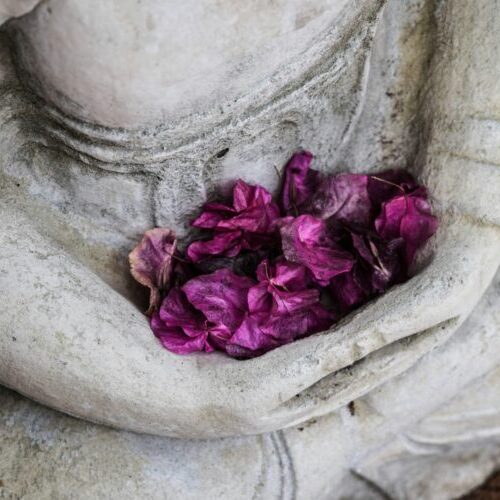
Mindfulness and Focus:
An encouragement to focus the mind on the movements and breath, fostering mindfulness. Being fully present in the moment, paying attention to body movements, breath, and emotions. Focus on the interrelationship between the mind and body, recognizing how thoughts, emotions, and physical state influence one another.

Deep Breathing and Breath Awareness:
Coordinating movements with deep, diaphragmatic breathing helps improve lung capacity and oxygenation. Synchronizing movement with breath is a key component, enhancing the connection between body and mind.

Relaxation and Calmness:
The practice promotes relaxation, reducing stress and fostering a sense of peace.

Inner Exploration and focus:
An encouragement for introspection and self-awareness, allowing you to express your inner feelings and thoughts through movement. The internal focus during movement, paying attention to how movements feel from the inside, helps reduce anxiety about how you look externally.

Flow and Continuity and Free-Form Movement:
We will mix together movements which are linked together in a continuous, flowing sequence, as well as spontaneous, free-form movements that flow naturally without predefined steps.